
False Daisy (Eclipta prostrata): Benefits, Dosage, Side Effects & Research
Bhringraj is a medicinal herb found in India and other tropical regions. It is highly revered in Ayurveda for its hair-promoting and hepatoprotective properties.
Quick Facts & Key Highlights
Table of Contents
What is the Scientific Name of False Daisy?
The botanical or scientific name of Eclipta prostrata is commonly known as False Daisy. This plant botanically belongs to the Asteraceae family. Its other local or common vernacular names include False Daisy, भृंगराज, भृंगराज, मार्कव.
Ayurvedic Profile (Classical Ayurvedic Properties)
Ayurvedic characteristics according to classical text Bhavaprakasha Nighantu, Charaka Samhita:
Key Active Phytochemicals & Bioactive Compounds
Phytochemicals Found in Plant Parts
How to Identify the Original False Daisy Plant & Seeds?
Plant Identification Guide
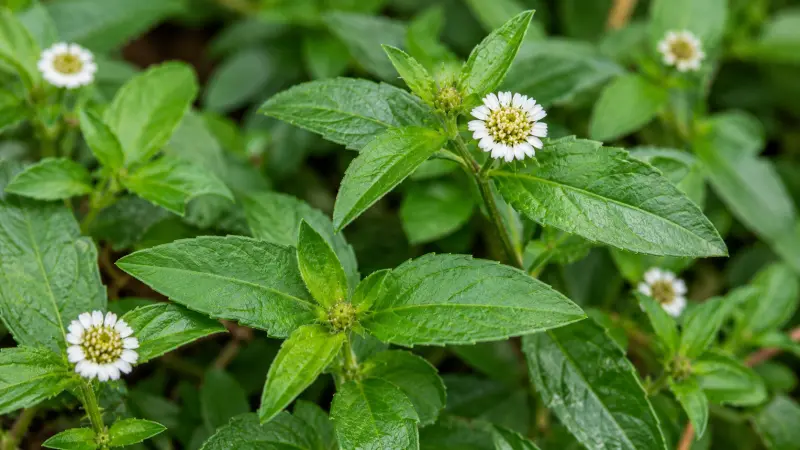
Bhringraj is a small, erect or spreading herbaceous plant, growing up to 30-60 cm tall. Its leaves are long, narrow, and serrated, dark green, and slightly rough to the touch. The flowers are small, white, daisy-like, growing singly or in small clusters in the leaf axils. The stem is reddish or green, hairy, and nodose. When crushed, it emits a distinctive, mild odor.
Seeds & Sourcing Guide
Bhringraj seeds are small, black, and flattened, forming after the small white flowers dry. These seeds readily drop to the ground and germinate naturally. They can be sourced from reputable Ayurvedic suppliers or grown by sowing directly in moist soil, especially during the monsoon season.
Diseases Treated, Healing Action & Scientific Proofs
12 Verified ConditionsWhy Disease Occurs & Human Body Impact:
Hair loss, clinically termed alopecia, is a multifactorial condition characterized by the shedding or thinning of hair from the scalp or other body parts. Primary causes include androgenetic alopecia (genetic predisposition and hormonal influence, particularly dihydrotestosterone [DHT]), telogen effluvium (triggered by significant physiological or psychological stress, illness, nutritional deficiencies, or certain medications), alopecia areata (an autoimmune disorder leading to patchy hair loss), and traction alopecia (physical stress on hair follicles). Other contributing factors can include thyroid dysfunction, iron deficiency, rapid weight loss, and chronic inflammatory conditions. The primary physical manifestation of hair loss involves a reduction in hair density, leading to visible scalp, receding hairlines, widening parts, or distinct bald patches, depending on the specific type of alopecia. Main symptoms include increased hair shedding beyond normal physiological rates (typically >100 hairs per day), gradual thinning of hair over time, or sudden localized patches of complete hair loss. While not directly life-threatening, the visible cosmetic changes can lead to significant psychological distress, impacting self-esteem, body image, and potentially leading to anxiety or depression.
How Plant Acts & Heals This Disease:
Bhringraj promotes hair growth by stimulating hair follicles and reduces hair fall.
Key Active Compounds in Herb targeting this Ailment
Wedelolactone, EcliptasaponinEstimated Time to See Results:
False Daisy (Eclipta prostrata), commonly known as Bhringraj, is an herbal remedy traditionally used in Ayurvedic medicine for hair health. Its efficacy in promoting hair growth is attributed to compounds like wedelolactone and ecliptine, which are thought to stimulate hair follicles, improve scalp circulation, and prolong the anagen (growth) phase of the hair cycle. When utilized consistently, either topically (e.g., as an oil or paste) or internally (less common for direct hair growth), individuals may begin to observe a reduction in hair fall within approximately 4-8 weeks. Visible signs of new hair growth, characterized by finer hairs initially, typically require 2-3 months of sustained use. To achieve noticeable improvement in hair density and thickness, continued application over 3-6 months or longer is generally necessary. It is important to manage expectations, as herbal interventions work gradually and supportively, and individual responses can vary. False Daisy is not a rapid panacea for all forms of alopecia but rather a complementary therapeutic agent.
Recommended Dosage & Adjuvant:
5-10g powder twice daily or 3-5ml fresh juice daily
Why Disease Occurs & Human Body Impact:
Anemia is a condition characterized by a reduced number of red blood cells or a lower-than-normal concentration of hemoglobin, impairing the blood's oxygen-carrying capacity. The primary causes include: 1. **Iron deficiency:** The most prevalent form, resulting from inadequate dietary iron intake, malabsorption, chronic blood loss (e.g., menstruation, gastrointestinal bleeding), or increased iron demand (e.g., pregnancy). 2. **Vitamin deficiencies:** Lack of Vitamin B12 (e.g., pernicious anemia, dietary inadequacy in vegans) or Folate. 3. **Chronic diseases:** Anemia of chronic disease, associated with inflammatory conditions, kidney failure, or cancer. 4. **Genetic disorders:** Conditions like sickle cell anemia and thalassemias, which affect red blood cell production or survival. 5. **Bone marrow disorders:** Such as aplastic anemia or myelodysplastic syndromes. 6. **Hemolysis:** Premature destruction of red blood cells. 7. **Acute blood loss:** Due to trauma or surgery. The core harm is the reduced oxygen supply to tissues and organs. This manifests physically as: 1. **Fatigue and weakness:** Persistent lack of energy. 2. **Pallor:** Pale skin, gums, and nail beds due to reduced blood flow to superficial capillaries. 3. **Dyspnea:** Shortness of breath, especially on exertion. 4. **Dizziness and headaches:** Due to insufficient oxygen to the brain. 5. **Tachycardia and palpitations:** The heart works harder to compensate for reduced oxygen-carrying capacity, potentially leading to arrhythmias or, in severe chronic cases, congestive heart failure. 6. **Cold extremities:** Poor circulation. 7. **Brittle nails, hair loss, and pica:** (craving non-nutritive substances like ice or dirt) often associated with iron-deficiency anemia. Complications can include impaired cognitive function, weakened immune response, and adverse pregnancy outcomes (e.g., preterm birth, low birth weight).
How Plant Acts & Heals This Disease:
Assists in the treatment of anemia, particularly aplastic anemia, by promoting blood production.
Key Active Compounds in Herb targeting this Ailment
Flavonoids, essential mineralsEstimated Time to See Results:
False Daisy (Eclipta prostrata), also known as Bhringraj, is a medicinal plant often utilized in traditional Ayurvedic medicine as a liver tonic and for general well-being. While traditional claims suggest a supportive role in conditions related to blood health, robust modern clinical evidence specifically demonstrating its efficacy in *treating* anemia (e.g., significantly increasing hemoglobin or ferritin levels) as a primary therapeutic agent is limited. Therefore, it is crucial to understand that False Daisy is NOT a substitute for conventional medical treatment for anemia, especially in cases of iron deficiency or other specific etiologies requiring targeted therapy (e.g., iron supplementation, Vitamin B12 injections, or addressing underlying chronic disease). If used as a complementary or supportive measure, any perceived improvement in general well-being, energy levels, or reduction of non-specific symptoms would likely be gradual, occurring over **several weeks to months** of consistent use. Patients should not expect rapid resolution of anemia or significant changes in hematological parameters solely from False Daisy. Its impact, if any, would be indirect and supportive, not directly addressing the root cause or significantly accelerating recovery from clinical anemia. Patients must prioritize medical diagnosis and evidence-based treatment for anemia.
Recommended Dosage & Adjuvant:
3-6g powder twice daily
Why Disease Occurs & Human Body Impact:
Asthma is a chronic inflammatory disease of the airways characterized by recurrent episodes of wheezing, shortness of breath, chest tightness, and coughing. Its etiology involves a complex interplay of genetic predisposition and environmental triggers, including allergens (e.g., pollen, dust mites, pet dander), irritants (e.g., smoke, air pollution), respiratory infections, exercise, and cold air. These factors lead to airway hyperresponsiveness and reversible airflow obstruction. The primary harm caused by asthma manifests as acute exacerbations (asthma attacks) which can range from mild discomfort to severe respiratory distress requiring emergency medical intervention. Chronic symptoms impair quality of life, limit physical activity, disrupt sleep, and can lead to anxiety or depression. In severe, poorly controlled cases, persistent inflammation can result in irreversible airway remodeling, leading to fixed airflow obstruction and reduced lung function over time.
How Plant Acts & Heals This Disease:
It helps reduce inflammation in allergic asthma through its anti-inflammatory properties.
Key Active Compounds in Herb targeting this Ailment
Wedelolactone, LuteolinEstimated Time to See Results:
False Daisy (Eclipta prostrata/alba), also known as Bhringraj, is a medicinal plant with traditional uses, primarily in Ayurvedic medicine. While some preclinical studies suggest potential anti-inflammatory or bronchodilatory properties that might theoretically be relevant to asthma, robust clinical trials specifically demonstrating its efficacy and safety as a primary treatment for asthma in humans are lacking. Therefore, it is not considered a conventional or primary treatment for asthma and should not replace prescribed medications. If used traditionally as a supportive agent, any perceived benefits would likely accrue over weeks to months of consistent use, and would aim to support overall well-being rather than directly cure or provide rapid symptom relief for asthma. Patients should always consult with a healthcare professional before incorporating herbal remedies, especially given the chronic and potentially severe nature of asthma.
Recommended Dosage & Adjuvant:
3-5g powder twice daily
Why Disease Occurs & Human Body Impact:
Liver disorders arise from a multitude of factors, including viral infections (e.g., Hepatitis B and C), chronic alcohol abuse, metabolic dysfunction leading to Non-Alcoholic Fatty Liver Disease (NAFLD) and its more severe form NASH (Non-Alcoholic Steatohepatitis), autoimmune conditions (e.g., autoimmune hepatitis, primary biliary cholangitis), genetic predispositions (e.g., hemochromatosis, Wilson's disease), and exposure to hepatotoxic medications or environmental toxins. These factors can lead to inflammation, damage, and impaired function of liver cells (hepatocytes). The liver is vital for detoxification, metabolism, protein synthesis, and bile production. When compromised, common symptoms include profound fatigue, nausea, vomiting, abdominal pain (often in the upper right quadrant), dark urine, pale stools, jaundice (yellowing of skin and eyes), unexplained weight loss, and easy bruising. Advanced liver disease can lead to severe complications such as cirrhosis (irreversible scarring), portal hypertension, ascites (fluid accumulation in the abdomen), encephalopathy (cognitive dysfunction, confusion), and ultimately, liver failure or hepatocellular carcinoma (liver cancer).
How Plant Acts & Heals This Disease:
Bhringraj helps protect the liver from toxins and improves liver function.
Key Active Compounds in Herb targeting this Ailment
WedelolactoneEstimated Time to See Results:
False Daisy (Eclipta prostrata/alba), often referred to as Bhringraj, is traditionally valued for its hepatoprotective properties. For individuals seeking supportive benefits for general liver health or very mild, early-stage dysfunction, subjective improvements in well-being or subtle changes in liver enzyme levels might be observed within approximately 4 to 8 weeks of consistent, appropriate use. However, for a measurable impact on more established liver disorders, such as reducing inflammation, supporting regeneration, or significantly improving liver function tests, a longer period of several months (e.g., 3-6 months or more) is generally required, and its role is considered adjunctive to conventional medical treatment. It is crucial to understand that False Daisy is not a standalone cure for severe liver diseases, and individual responses can vary significantly based on the specific condition, its severity, and patient adherence. Regular medical monitoring and liver function assessments are essential to evaluate any actual therapeutic benefit and guide treatment strategies.
Recommended Dosage & Adjuvant:
5-10ml fresh juice daily or 3-6g powder twice daily
Why Disease Occurs & Human Body Impact:
Jaundice is a clinical sign characterized by yellow discoloration of the skin, mucous membranes, and sclera (whites of the eyes) due to elevated levels of bilirubin in the blood (hyperbilirubinemia). Bilirubin is a yellowish pigment formed during the breakdown of red blood cells. Normally, the liver processes bilirubin, converting it into a water-soluble form that can be excreted in bile. Jaundice occurs when there is an imbalance in bilirubin production, uptake, conjugation, or excretion. Primary causes can be categorized as pre-hepatic (e.g., hemolytic anemia leading to excessive red blood cell breakdown), hepatic (e.g., hepatitis, cirrhosis, drug-induced liver injury, affecting the liver's ability to process bilirubin), or post-hepatic (e.g., gallstones, tumors, or strictures obstructing bile flow from the liver to the intestines). The most apparent harm caused by jaundice is the visible yellowing of tissues. Beyond this cosmetic effect, the specific harm and symptoms depend heavily on the underlying cause and severity. Common symptoms can include dark urine (due to conjugated bilirubin excretion by the kidneys), pale stools (due to lack of bilirubin reaching the intestines), generalized itching (pruritus) caused by bile salt deposition in the skin, fatigue, nausea, vomiting, and abdominal pain. In cases of severe or prolonged hyperbilirubinemia, particularly in infants (kernicterus), there is a risk of neurological damage. For adults, the primary harm often relates to the progression of the underlying disease causing the jaundice, such as liver failure, cholangitis, or complications from the primary obstruction (e.g., pancreatitis).
How Plant Acts & Heals This Disease:
Traditionally used to aid in the treatment of jaundice, promoting liver function and helping to reduce bilirubin levels.
Key Active Compounds in Herb targeting this Ailment
WedelolactoneEstimated Time to See Results:
False Daisy (Eclipta prostrata, also known as Bhringraj in Ayurvedic medicine) is traditionally recognized for its hepatoprotective properties. It contains compounds like wedelolactone and demethylwedelolactone, which are believed to possess antioxidant, anti-inflammatory, and liver-supportive effects, potentially aiding in liver regeneration and detoxification pathways. When used as a complementary therapy for jaundice, the timeline for observing performance or supporting recovery is highly variable and not as rapidly predictable as conventional pharmaceuticals. While scientific studies support some of its biochemical activities, clinical efficacy in humans as a primary treatment for jaundice requires more robust evidence. Patients might anecdotally report a gradual improvement in general well-being and potentially a reduction in pruritus or other symptoms related to liver stress. However, **False Daisy is not a standalone cure for jaundice**, and its effects are typically supportive. If used under medical guidance, one might *theoretically* observe supportive benefits over a period of **several weeks to a few months (e.g., 4-12 weeks)**, as it aids the body's natural recovery processes and liver function, rather than directly eliminating the root cause. It is crucial for patients with jaundice to receive a definitive diagnosis and primary medical treatment from a healthcare professional, with False Daisy being considered only as an adjunct therapy and its use monitored for any potential interactions or adverse effects.
Recommended Dosage & Adjuvant:
Fresh juice 5-10ml twice daily
Why Disease Occurs & Human Body Impact:
Fever, or pyrexia, is an elevation of core body temperature above the normal diurnal range (>38°C or 100.4°F), resulting from a regulated increase in the hypothalamic thermoregulatory set point. This physiological response is primarily triggered by pyrogens, which can be exogenous (e.g., microbial components like lipopolysaccharides from bacteria, viruses, fungi) or endogenous (e.g., pro-inflammatory cytokines such as interleukin-1 beta (IL-1β), interleukin-6 (IL-6), and tumor necrosis factor-alpha (TNF-α) released by immune cells during inflammation). These pyrogens act upon thermoregulatory centers in the preoptic area of the anterior hypothalamus, leading to heat conservation (e.g., vasoconstriction, piloerection) and increased heat production (e.g., shivering, increased metabolic rate) to reach the new, higher set point. Common underlying causes include infections, inflammatory disorders, autoimmune diseases, malignancy, and drug-induced reactions. While often a beneficial host defense mechanism, fever can cause a range of symptoms and potential complications. Common manifestations include elevated body temperature, chills, sweating, headache, myalgia (muscle aches), arthralgia (joint pain), malaise, fatigue, and loss of appetite. Dehydration can occur due to increased insensible water loss from sweating and respiration. In vulnerable populations, high or prolonged fever can lead to more severe outcomes: febrile seizures (especially in young children), delirium, confusion, exacerbation of underlying cardiovascular or pulmonary conditions, and in extreme cases (e.g., hyperpyrexia unrelated to hypothalamic set point reset, as in heatstroke), organ dysfunction or damage. The primary harm often stems from the underlying condition causing the fever rather than the fever itself, necessitating diagnosis and treatment of the root cause.
How Plant Acts & Heals This Disease:
Traditionally used to reduce fever and help regulate body temperature.
Key Active Compounds in Herb targeting this Ailment
Apigenin, LuteolinEstimated Time to See Results:
False Daisy (Eclipta prostrata, also known as Eclipta alba) is traditionally recognized in Ayurvedic and other ethnomedicine systems for its antipyretic and anti-inflammatory properties. Its mechanism of action is thought to involve compounds such as coumestans, triterpenes, and flavonoids, which may modulate inflammatory pathways or exert antimicrobial effects. As a botanical intervention, its onset of action is typically more gradual compared to conventional pharmaceutical antipyretics (e.g., paracetamol, NSAIDs). When used to support fever reduction, particularly for mild, self-limiting fevers, one might expect to observe a supportive effect in terms of reduced fever intensity, diminished associated symptoms (e.g., malaise, body aches), or a hastened resolution of the fever within a timeframe of 24 to 72 hours of consistent administration, assuming the underlying cause is responsive to such supportive measures. It is crucial to emphasize that False Daisy should be considered a complementary approach and does not substitute for conventional medical evaluation and treatment, especially for high, persistent, or worsening fevers, or fevers accompanied by severe symptoms, where immediate professional medical attention is warranted to identify and address the root pathology.
Recommended Dosage & Adjuvant:
5-10ml fresh juice twice daily
Why Disease Occurs & Human Body Impact:
Skin diseases, or dermatoses, arise from a multifactorial interplay of genetic predispositions, environmental exposures (e.g., irritants, allergens, UV radiation), infectious agents (bacteria, fungi, viruses, parasites), immune system dysregulation (autoimmune or allergic responses), and systemic conditions. Disruptions to the skin's barrier function, inflammation, and cellular proliferation or damage are common underlying mechanisms. The physical manifestations of skin diseases are highly varied but commonly include pruritus (itching), erythema (redness), rashes, lesions (e.g., macules, papules, vesicles, plaques), pain, burning sensations, scaling, dryness, and edema. Complications can range from secondary infections due to compromised barrier integrity and psychological distress, to permanent scarring, pigmentation changes, and, in severe cases, systemic involvement affecting overall health.
How Plant Acts & Heals This Disease:
It may be useful in various skin diseases like itching and rashes due to its anti-inflammatory and antimicrobial properties.
Key Active Compounds in Herb targeting this Ailment
Ecliptasaponin, LuteolinEstimated Time to See Results:
False Daisy (Eclipta prostrata/alba), traditionally recognized for its anti-inflammatory, antimicrobial, and wound-healing properties, is considered a supportive botanical. When used topically or internally for skin conditions, its effects are typically gradual. Initial symptomatic relief, such as reduced inflammation or pruritus, might be observed within several days to 2-3 weeks of consistent use. However, significant improvement and sustained support for recovery, particularly for chronic or more severe conditions, usually require several weeks to months of continuous application or consumption. It is crucial to understand that False Daisy serves as an adjuvant therapy and should be integrated within a comprehensive dermatological management plan, with expectations set for incremental rather than immediate or curative outcomes.
Recommended Dosage & Adjuvant:
Topically as a paste or oil
Why Disease Occurs & Human Body Impact:
Premature graying (canities praecox) primarily occurs due to a decline in melanogenesis within the hair follicles, leading to reduced or absent melanin pigment deposition in newly growing hair shafts. The main causes include genetic predisposition, which is the most significant factor determining the onset and pattern. Other contributing factors involve oxidative stress, where an accumulation of reactive oxygen species damages melanocytes; nutritional deficiencies (e.g., vitamin B12, iron, copper, vitamin D); certain medical conditions such as thyroid dysfunctions, pernicious anemia, vitiligo, and progeroid syndromes; and lifestyle factors like chronic psychological stress and smoking. These elements can accelerate melanocyte senescence or apoptosis, ultimately depleting the pigment-producing cells in the hair bulb. The primary impact of premature graying is cosmetic, leading to significant psychosocial distress, anxiety, and a reduction in self-esteem for affected individuals. While gray hair itself causes no direct physical harm to the body, its early onset can occasionally be an indicator of underlying systemic health issues, such as autoimmune disorders, vitamin deficiencies, or endocrine dysfunctions, necessitating a clinical evaluation to rule out secondary causes. However, in the vast majority of cases, it represents a benign, age-related biological change occurring earlier than average without associated morbidity.
How Plant Acts & Heals This Disease:
It may help maintain hair pigmentation and slow down premature graying of hair.
Key Active Compounds in Herb targeting this Ailment
LuteolinEstimated Time to See Results:
False Daisy (Eclipta prostrata or Eclipta alba, commonly known as Bhringraj) is widely used in traditional medicine for hair care. Its proposed mechanisms involve antioxidant properties, stimulation of hair follicle health, and potential, though not definitively proven, melanogenesis support. When used topically (e.g., as an oil or paste), effects on overall hair health—such as reduced hair fall, improved texture, and increased luster—may begin to be observed within 8-12 weeks of consistent application. However, for effects related to premature graying, it is crucial to manage expectations: False Daisy is generally believed to help prevent or slow the progression of further graying and support the maintenance of natural hair color rather than reversing existing gray hairs, as hair that has already lost pigment cannot regain it. Any potential impact on new hair growth in terms of maintaining color would typically require prolonged, consistent use over several months to a year or more, and results vary significantly among individuals, with complete reversal being highly unlikely.
Recommended Dosage & Adjuvant:
2-3g powder once daily or topical application as oil
Why Disease Occurs & Human Body Impact:
Splenomegaly, or an enlarged spleen, typically arises as a manifestation of an underlying medical condition rather than being a primary disease itself. Common etiologies include: various infections (e.g., mononucleosis, malaria, endocarditis, tuberculosis), liver diseases leading to portal hypertension (e.g., cirrhosis, hepatitis), hematologic malignancies (e.g., leukemias, lymphomas, myelofibrosis), inflammatory and autoimmune disorders (e.g., rheumatoid arthritis, lupus, sarcoidosis), and certain metabolic storage diseases (e.g., Gaucher's disease). Less commonly, it can result from hemolytic anemias or congestive heart failure. The spleen enlarges primarily due to increased demand for its functions (e.g., filtering infected cells, processing abnormal blood cells), increased blood flow, or infiltration by abnormal cells or substances. An enlarged spleen can lead to a range of symptoms and complications. Patients may experience discomfort or pain in the upper left abdomen, often radiating to the left shoulder, due to capsular distension. Other common symptoms include a feeling of fullness after eating only a small amount, fatigue, and unintended weight loss. More critically, an enlarged spleen can lead to hypersplenism, where the overactive spleen removes healthy blood cells too rapidly. This can result in: anemia (low red blood cells, causing fatigue and weakness), leukopenia (low white blood cells, increasing susceptibility to infections), and thrombocytopenia (low platelets, increasing the risk of bleeding and bruising). In severe cases, the enlarged and often fragile spleen is more prone to rupture, which is a life-threatening medical emergency requiring immediate intervention.
How Plant Acts & Heals This Disease:
Used in Ayurveda to help normalize spleen size and improve its function.
Key Active Compounds in Herb targeting this Ailment
WedelolactoneEstimated Time to See Results:
Eclipta prostrata (False Daisy) is traditionally recognized in various ethnomedical systems, particularly Ayurveda, for its hepatoprotective, anti-inflammatory, and hematinic properties. While it is not a direct or primary treatment for splenomegaly, its therapeutic potential may be supportive for certain underlying conditions that cause splenomegaly, especially liver disorders (e.g., chronic hepatitis, early-stage cirrhosis leading to portal hypertension) or conditions associated with anemia. For example, by supporting liver function, it might indirectly contribute to mitigating portal hypertension over time, which can be a cause of splenomegaly. However, it is imperative to understand that Eclipta prostrata will not rapidly shrink an enlarged spleen resulting from conditions like severe infection, malignancy, or advanced liver disease. Observable supportive effects on related symptoms (e.g., energy levels due to improved liver function or anemia management) might be perceived over a period of weeks to a few months (e.g., 4-12 weeks) of consistent use, assuming the underlying condition is amenable to such support and not rapidly progressing. It is crucial for patients with splenomegaly to receive a definitive diagnosis and conventional medical treatment for the underlying cause. False Daisy should only be considered as a complementary therapy under the guidance of a healthcare professional, with realistic expectations regarding its supportive, rather than curative, role in complex conditions like splenomegaly. Regular medical monitoring, including imaging and blood tests, is essential to assess the actual splenic size and function, irrespective of herbal supplementation.
Recommended Dosage & Adjuvant:
3-5g powder twice daily
Why Disease Occurs & Human Body Impact:
Dysentery is an inflammatory disorder of the intestine, primarily the colon, characterized by severe diarrhea containing blood and mucus. It is predominantly caused by pathogenic microorganisms. Bacterial dysentery (shigellosis) is commonly caused by species of Shigella, while amoebic dysentery is caused by the parasite Entamoeba histolytica. Other bacterial pathogens, such as certain strains of enteroinvasive Escherichia coli (EIEC) or Campylobacter, can also cause similar syndromes. Transmission typically occurs through the fecal-oral route, often via ingestion of contaminated food or water, or direct contact with an infected individual, especially in settings with poor sanitation and hygiene. The primary harm caused by dysentery includes frequent, painful passage of stools containing blood and mucus (tenesmus), accompanied by severe abdominal cramps, fever, nausea, and vomiting. Significant complications arise from severe fluid and electrolyte loss, leading to dehydration and potential electrolyte imbalances. In some cases, particularly with Shigella infections, complications can include rectal prolapse, toxic megacolon, hemolytic uremic syndrome (rarely, but associated with certain E. coli strains causing bloody diarrhea), and post-infectious arthritis. Untreated or severe dysentery can be fatal, especially in vulnerable populations such as young children, the elderly, and immunocompromised individuals, due to systemic infection and profound dehydration.
How Plant Acts & Heals This Disease:
Its astringent and antimicrobial properties may help alleviate symptoms of diarrhea and dysentery.
Key Active Compounds in Herb targeting this Ailment
Tannins, FlavonoidsEstimated Time to See Results:
Eclipta prostrata, commonly known as False Daisy or Bhringraj, is traditionally recognized in some systems of medicine for its purported anti-inflammatory, hepatoprotective, and antimicrobial properties. While anecdotal or traditional use might suggest benefits for digestive ailments, it is critical to state that dysentery, particularly severe bacterial or amoebic forms, is a serious medical condition requiring specific antimicrobial treatment and supportive care (e.g., rehydration therapy) prescribed by a qualified healthcare professional. False Daisy is not a primary therapeutic agent for dysentery and should not replace conventional medical intervention. If used as a supportive botanical adjunct for general digestive health or mild symptoms, any perceived effects, such as a reduction in mild inflammation or improved digestive comfort, might manifest gradually over several days to a week of consistent use. It is crucial for patients to manage expectations, as this herb will not rapidly resolve the underlying pathogenic infection or severe symptoms of dysentery, which demand targeted medical diagnosis and treatment.
Recommended Dosage & Adjuvant:
3g powder twice daily
Why Disease Occurs & Human Body Impact:
Headaches are characterized by pain in the head or face, often multifactorial in etiology. Primary headaches, such as tension-type, migraine, and cluster headaches, are not symptoms of an underlying disease but are conditions themselves, often linked to neurochemical imbalances, genetic predispositions, and activation of trigeminal pain pathways. Secondary headaches arise as symptoms of underlying conditions, including dehydration, stress, sleep deprivation, sinus infections, medication overuse, head trauma, or more serious pathologies like intracranial hemorrhage or tumors. The pathophysiology frequently involves inflammation, vascular changes, or muscle tension. The primary symptom is pain, which can range from a mild dull ache to severe throbbing or pulsating discomfort, localized or generalized. Associated symptoms vary by headache type and may include nausea, vomiting, photophobia (light sensitivity), phonophobia (sound sensitivity), visual disturbances (aura in migraine), dizziness, and neck stiffness. Headaches significantly impair daily function, reduce quality of life, and can lead to absenteeism from work or school. Chronic headaches can result in medication overuse headaches, psychological distress, and, if secondary, may mask or delay the diagnosis of a more critical underlying medical condition.
How Plant Acts & Heals This Disease:
Traditionally used to relieve headaches due to its cooling properties.
Key Active Compounds in Herb targeting this Ailment
ApigeninEstimated Time to See Results:
False Daisy (Eclipta prostrata/alba), also known as Bhringaraj, is a medicinal herb traditionally recognized in Ayurvedic medicine for its purported anti-inflammatory, analgesic, and hepatoprotective properties. While traditional use suggests potential benefits for various ailments, including some forms of headache, robust clinical evidence specifically demonstrating its direct efficacy and precise onset of action for headache relief is limited. As a complementary therapy, its active compounds (e.g., wedelolactone, eclalbasaponins) might contribute to a reduction in headache severity or frequency, particularly for those linked to inflammation or stress. However, it is not an acute abortive agent for severe headaches like migraines. Any potential supportive effect would likely be gradual and cumulative, requiring consistent use over several weeks (e.g., 2-4 weeks) to observe a discernible reduction in impact. Patients should be advised that False Daisy is not a substitute for conventional medical diagnosis and treatment for headaches, and consultation with a healthcare professional is essential, especially for persistent, severe, or new-onset headaches.
Recommended Dosage & Adjuvant:
Apply fresh leaf juice on forehead or consume 3g powder
Why Disease Occurs & Human Body Impact:
Eye infections primarily occur when microorganisms, such as bacteria, viruses, fungi, or parasites, breach the protective barriers of the eye and proliferate. Common entry points include direct contact with contaminated hands, contact lenses, shared personal items, or environmental exposures. Underlying factors like compromised immune systems, ocular trauma, foreign bodies, poor hygiene, or existing inflammatory conditions (e.g., blepharitis) can increase susceptibility. Conjunctivitis, keratitis, and endophthalmitis are common manifestations, each caused by specific pathogenic agents. The physical harm and symptoms caused by eye infections vary depending on the type and severity but commonly include ocular redness (hyperemia), irritation, itching, pain, a gritty or foreign body sensation, excessive tearing (epiphora), and photophobia (light sensitivity). Discharge can be watery (viral), mucopurulent (bacterial), or thick. Untreated or severe infections can lead to corneal ulcers, scarring, vision impairment, or even permanent vision loss if critical structures like the cornea or retina are extensively damaged. In rare cases, infections can spread systemically.
How Plant Acts & Heals This Disease:
Traditionally used to soothe eye inflammation and infections.
Key Active Compounds in Herb targeting this Ailment
LuteolinEstimated Time to See Results:
While False Daisy (Eclipta prostrata/alba) is traditionally recognized in some ethnomedical systems for its anti-inflammatory, antimicrobial, and antioxidant properties, there is a critical lack of robust, peer-reviewed clinical trials demonstrating its efficacy and safety as a primary treatment for ocular infections in humans. Therefore, a reliable timeline for when False Daisy would 'start showing performance,' 'reduce impact,' or 'support recovery' for a diagnosed eye infection cannot be provided based on current scientific evidence. It is crucial to emphasize that severe eye infections require prompt diagnosis and treatment with conventional ophthalmic medications (e.g., antibiotics, antivirals) prescribed by a healthcare professional to prevent potentially irreversible vision loss. Relying solely on herbal remedies for eye infections without professional medical guidance can lead to serious complications. For mild, non-infectious inflammatory conditions, traditional anecdotal reports might suggest symptomatic relief over several days, but this is not applicable to active infections.
Recommended Dosage & Adjuvant:
External application of leaf paste
Fact Check
Scientific Truth: Verified
Buy Verified Products Online
Natural Bhringraj Powder for hair growth
About the Author

Vikas Pal
Medicinal Plant Researcher & Health Content WriterVikas Pal is an independent Herbal Researcher and Health Content Writer with over one year of experience in researching medicinal plants and evidence-based herbal medicine. He specializes in reviewing scientific literature, analyzing traditional herbal knowledge, and presenting accurate, easy-to-understand information based on trusted sources, including peer-reviewed journals, PubMed, WHO, and other reputable health organizations. His goal is to make reliable herbal knowledge accessible while helping readers understand the potential benefits, safety, traditional uses, and current scientific evidence of medicinal plants.